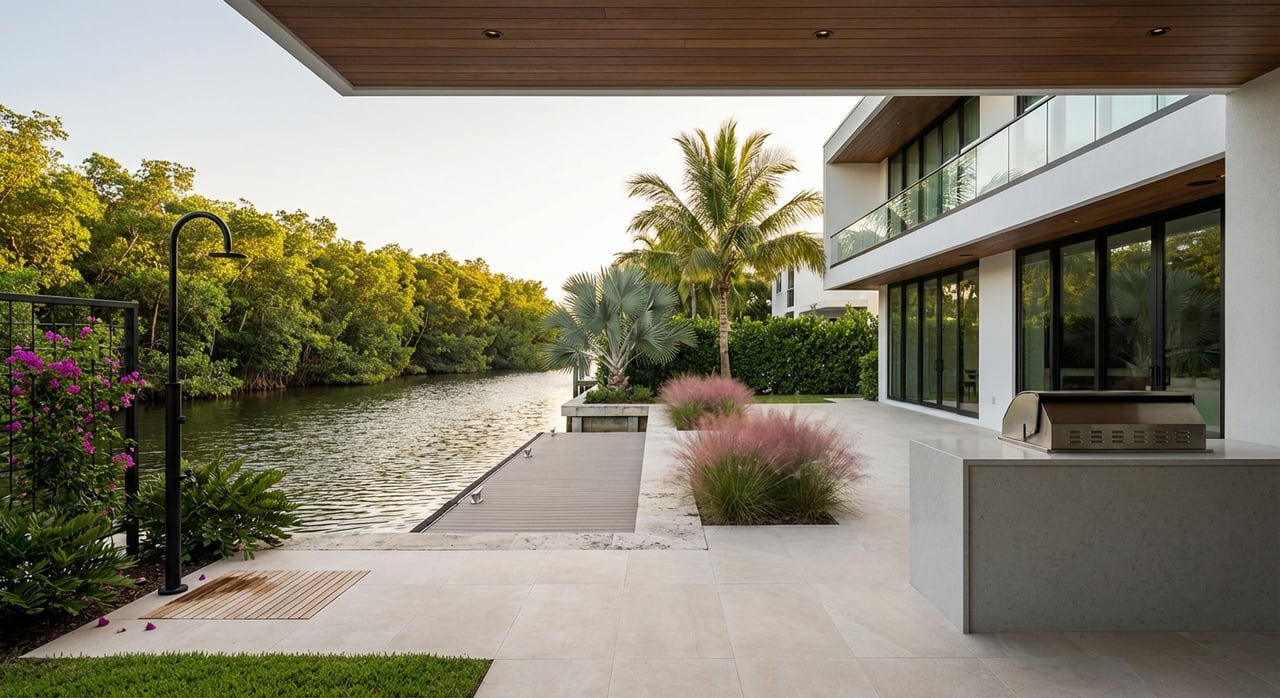
If you picture powdery white sand under your feet and sunset walks that reset your week, you are already halfway to understanding Siesta Key. The island’s rhythm is easygoing, beach centered, and seasonal, yet daily life still runs on simple routines like errands, bridge timing, and knowing where to park. In this guide, you will get a clear picture of neighborhoods, logistics, ownership rules, and coastal realities so you can decide if the Key fits your lifestyle. Let’s dive in.
A day on Siesta Key
Start with a sunrise walk on Siesta Beach, where the sand feels cool and fine. Grab coffee in Siesta Key Village, browse a gallery, then hop the free trolley for a breezy ride along the island. Midday might mean a quick stop at a local market, a paddle on the bay, or a shaded terrace lunch before heading back to the beach for another swim.
Evenings lean social. Locals gather for sunset, and on Sundays the casual drum circle adds a festive note to the shoreline. Dinner is easy with relaxed restaurants in the Village or South Village. You feel the island’s rhythm most in winter, when seasonal residents return and the energy picks up.
Island layout and vibe
North end: Village and Siesta Beach
The north end centers on Siesta Key Village and the main public beach. You will find a compact mix of cafés, small shops, and casual nightlife, with the beach just a stroll away. Housing trends lean to gulf front and near-beach condos on the west side and some bay-side single-family homes. Units with direct beach access often command a premium and many are used seasonally.
For context on the beach’s famous white quartz sand and island basics, review the helpful Siesta Key Chamber FAQs. You will quickly see why beach walks and sunsets anchor daily life here. Local FAQs from the Siesta Key Chamber
Mid-Key: Crescent Beach and South Village
Mid-Key spreads out a bit, with South Village and the Crescent Beach area offering a handy strip of restaurants, a marina vibe, and day-to-day services. Many residents do their quick errands here without crossing the bridge. Housing includes low- and high-rise beachfront condos on the gulf and canal or bayfront homes with docks on the east.
When you need staples or a last-minute item, the neighborhood market is a local standby. It is small but well stocked, which keeps your day moving without a mainland run. Crescent Beach Grocery
South end: Turtle Beach and quieter pockets
As you move south, the feel shifts quieter and more residential. Turtle Beach offers easier access for boaters and a laid-back shoreline, which many year-round residents appreciate. If you want less bustle and more space to breathe, this end often delivers that balance.
Bay-side neighborhoods
On the bay side and inland pockets, you will see higher-end single-family homes with deeper water and private docks. These areas feel different from resort-style gulf-front condos. If bridge clearance or boating access matters, ask specifically about deep-water docks and no fixed-bridge routes.
Getting around and errands
Bridges and traffic
Two bridges connect you to Sarasota: Siesta Drive at the north and Stickney Point Road at the south. Seasonal crowds can slow crossings, and occasional bridge work near Stickney Point has triggered lane closures at times. Build in a buffer of 10 to 30 minutes during peak season or around sunset, especially if you have appointments on the mainland. Context on Stickney Point Bridge work
Parking and the free trolley
Public beach parking is generous, yet it fills quickly on busy days. Avoid the lot shuffle by using the free open-air trolley, which runs the island’s key stops so you can skip driving for short trips. It is one of the simplest ways to move between the Village, the beach, and the south end. Breeze Transit specialty routes
Groceries and care
Day-to-day needs are easy on-island thanks to the Village market and South Village’s Crescent Beach Grocery. For larger grocery runs, specialty medical care, and hospitals, you will head to the Sarasota mainland. Drive times vary with traffic and start point, so it pays to time a test run during season from the part of the Key you prefer.
Beach and nature realities
Red tide is episodic
Harmful algal blooms, known as red tide, appear some years and can cause brief respiratory irritation and fish kills. Conditions change day to day and beach to beach. Before you pack a cooler, check the daily monitoring map and local updates so you can pivot to a bay paddle or pool day if needed. FWC daily red tide map and bulletins
Hurricane season and planning
Hurricane season runs June through November and shapes insurance pricing, wind deductibles, and preparedness planning. Most residents keep a simple storm plan and pay attention to evacuation guidance. Your building or HOA will likely provide procedures, but you should also review your coverage and deductibles before summer.
Flood zones and insurance
Much of the island sits in FEMA Special Flood Hazard Areas, which often trigger flood insurance requirements if you carry a mortgage. Always check the exact property address on FEMA’s map and request an elevation certificate if needed. For long-term perspective, glance at NOAA’s Sea Level Rise viewer as part of your planning. FEMA Flood Map Service Center | NOAA Sea Level Rise viewer
Owning on the Key
Condo living essentials
Many Siesta Key homes are condominiums, which shifts responsibility for exterior systems to the association. Monthly fees cover things like roofs, elevators, pools, and in some gulf-front buildings, seawalls. When you evaluate a condo, focus on the association’s budget, reserves, and master insurance policy. Those items affect your carrying costs and risk.
Here is a simple condo due diligence checklist:
- Association budget and most recent reserve study
- Master insurance declarations and deductible structure
- Recent meeting minutes and any litigation disclosures
- Current owner-occupancy and delinquency rates
- History of special assessments and planned capital projects
Watch for red flags such as thin reserves, open structural litigation, high delinquency, or pending large assessments.
Financing and warrantability
Condo financing depends on the building as well as you. Lenders apply project-level rules, so a building can be classified as warrantable or non-warrantable. Warrantable projects meet agency standards and are eligible for conventional loans. Non-warrantable projects often need a higher down payment or specialty portfolio financing. Your agent and lender can confirm status early in the process. For a plain-English overview, read this helpful guide. Warrantable vs non-warrantable condos explained
Short-term rental rules
Rental legality on Siesta Key is property specific and depends on whether the home sits in unincorporated Sarasota County or inside City of Sarasota limits.
- In unincorporated Sarasota County, many single-family and multifamily properties have a 30-day minimum lease. Shorter stays are explicitly permitted only in Residential Multi-Family districts on the barrier islands under certain standards. Always verify zoning and whether the use you want is allowed. Sarasota County rental standards in the UDC
- Inside City of Sarasota limits, there is a vacation rental registration program, and certain rentals have a 7-day minimum when a certificate of registration is required. Check the city’s guidance and confirm whether a property is within city limits before you plan weekly rentals. City of Sarasota vacation rental compliance
The bottom line is simple. Do not assume. Confirm zoning, any required registration, and the association’s rules before you buy.
Costs and maintenance on the coast
Salt air and sun work harder on buildings near the Gulf. Metal and mechanical parts corrode faster, AC systems need routine service, and exterior paint and sealants require regular attention. Many island owners keep a larger maintenance reserve than they would inland, schedule seasonal HVAC service, and plan for periodic exterior refreshes. A quick estimate from trusted local contractors will give you clarity for the specific property you choose.
Mainland vs island trade-offs
You get daily beach access, a small-village feel, and a low-key social scene on Siesta Key. In high season, you also plan around bridge timing and parking. For bigger-box shopping, specialist medical appointments, or cultural events, you will cross to Sarasota. The trade is usually worth it if you thrive on sand, salt air, and a neighborhood that feels like a vacation without giving up normal routines.
Buyer checklist for Siesta Key
Use this short list to evaluate any property on the island:
- Pull the flood map for the exact address and request an elevation certificate if needed. FEMA Flood Map Service Center
- Review the full condo or HOA packet, including budget, reserve study, master insurance, meeting minutes, and any litigation details.
- Verify rental legality for the parcel. Check whether it is in unincorporated Sarasota County or inside City of Sarasota limits, then confirm minimum-stay rules and any registration requirements. County rental standards | City vacation rental program
- Request sample quotes for homeowners, wind, and flood insurance using the property address and association details.
- Ask your lender to confirm condo warrantability and available loan options early. Warrantable vs non-warrantable overview
- Test the commute and bridge crossings at peak times. Try the free trolley for short island trips. Breeze Transit trolley info
- During beach season, check beach and water conditions before heading out. FWC red tide updates
Is Siesta Key right for you?
If you want sun-soaked mornings, a walkable village vibe, and instant access to one of the Gulf Coast’s most celebrated beaches, this island delivers. You trade a bit of bridge timing for daily access to sugar-white sand and turquoise water.
When you are ready to explore specific buildings, streets, and views, reach out for tailored guidance. With design-forward staging expertise and deep local knowledge, Donna Wrobel will help you zero in on the best fit and negotiate with confidence.
FAQs
What is daily life like on Siesta Key?
- Expect beach-centered days, a relaxed village scene, seasonal crowds in winter, and easy short hops using the free island trolley.
How does the free Siesta Key trolley work?
- The county-operated, open-air trolley runs key island stops so you can skip parking for short trips; check routes and hours before you go. Breeze Transit info
Can I do short-term rentals on Siesta Key?
- It depends on zoning and the exact address; the County commonly has a 30-day minimum outside designated districts, and the City has a registration program and a 7-day minimum for certain units. County rules | City program
What should I know about flood and insurance on the island?
- Many properties lie in FEMA flood zones that can require flood insurance with a mortgage, so always check the address and review wind and flood coverage details. FEMA flood maps
Are there groceries and services on Siesta Key?
- Yes, two small markets on the island cover daily needs, with broader shopping and medical specialists on the Sarasota mainland. Crescent Beach Grocery
How does bridge traffic affect living here?
- Two bridges link to Sarasota, and during high season or occasional repair work near Stickney Point, crossings can take longer, so plan buffers for mainland errands. Bridge work context
What is red tide and how can I plan around it?
- Red tide is an intermittent algal bloom that can affect air and beach conditions for short periods; check daily updates and pivot plans when needed. FWC red tide updates