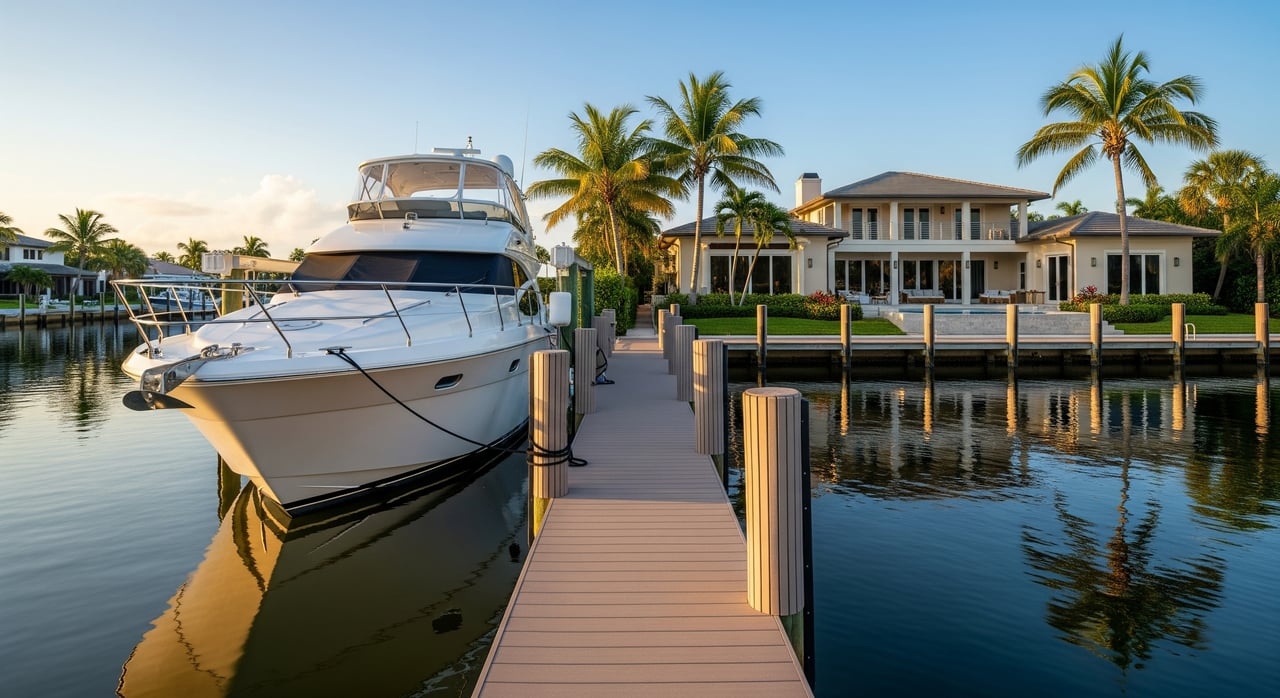
Can your Longboat Key home fit your boat as well as your lifestyle? If you love the idea of island living with easy Gulf access, the details matter, from slip ownership and depth to bridge clearances and hurricane policies. You want a property that makes launching, fueling, and cruising smooth all season. In this guide, you will learn how boating works around Longboat Key, what to look for in marinas and slips, and how to verify the facts before you buy. Let’s dive in.
Boating around Longboat Key
Longboat Key sits between the Gulf of Mexico on the west and protected bay waters to the east. That creates two distinct experiences for owners. Gulf-front homes and condos offer beach and views, while bay-side residences and marinas provide protected water, docks, and quicker access to services.
Most boaters on the island keep vessels on the bay side, then exit through a local pass to reach the open Gulf. Travel time depends on your slip location, the pass you use, tide, and traffic. Seasonal weather can also affect operations. Summer storms, winter fronts, and the June to November hurricane season often shape marina policies for haul-outs, tie-downs, and storm preparations.
Gulf or bay: which fits you
- If you prioritize calm water, dockage, and service access, a bay-facing slip or community marina usually fits best.
- If your dream is daily beach time with occasional offshore runs, a Gulf-front building with access to nearby marinas can work well.
- If your vessel has deeper draft or taller air draft, you will want to confirm local pass conditions and any bridge constraints before you set your shortlist.
Marinas and services
You will find a mix of marina options serving Longboat Key and nearby Sarasota and Bradenton. Each offers a different balance of dockage, amenities, and services.
Marina types to consider
- Private community marinas. Slips reserved for residents, which may be deeded or assigned by the HOA. These often sit close to home and offer convenient shore power and water.
- Resort marinas. A resort or club marina that provides managed services for members and guests. The Longboat Key Club & Resort Marina is a local example. Always confirm current membership or access requirements, slip availability, and policies directly with the marina.
- Mainland marinas. Larger Sarasota and Bradenton marinas typically offer full-service fuel, pump-out, haul-out, and repair. Many island owners use them for maintenance, bottom work, and transient berthing.
- Mooring fields. Limited amenities but useful for short stays or seasonal needs.
Services to verify with any marina
- Slip length, beam, and assigned depth at Mean Low Water
- Shore power amps, potable water, and wifi
- Fuel and pump-out availability
- Security, lighting, and staffing hours
- Transient slip policies and reservations
- Haul-out capacity and service options
- Hurricane-season procedures and required moves or haul-outs
For rules and town-level resources, review the Town of Longboat Key website for current contacts and local guidelines. You can start with the public information available on the Town of Longboat Key site.
Deeded slips and HOAs
How a slip is owned or assigned can significantly affect value and day-to-day use. Before you buy, it pays to understand the model in your target community.
Common ownership models
- Deeded slips. The slip is part of the recorded property and transfers with your deed. Rights are typically stronger but still subject to HOA or condo rules.
- Assigned or leased slips. The HOA or marina controls the docks and assigns by lease, license, or rental. These may include waitlists, priority rules, and annual fees.
What to confirm before you make an offer
- Legal status. If a slip is deeded, confirm it appears in the recorded legal description and whether easements apply.
- Transfer and leasing. Check whether slips transfer on sale and if subleasing to other owners or tenants is allowed.
- Size and depth. Match slip length and beam to your vessel, and confirm depth at MLW with recent soundings or a depth profile.
- Dock type. Fixed piles versus floating docks change how your lines and fenders work in tide and weather.
- Maintenance and assessments. Understand who pays for repairs, seawall work, or dredging and how special assessments are handled.
- Insurance. Many HOAs require proof of boat insurance and may request to be named as additional insured.
- Hurricane policies. Note any mandatory removal or evacuation requirements and who pays for hauling and storage.
How to research ownership and rules
- Request the HOA’s boating or dock addendum, slip assignment policies, maintenance history, and a recent survey.
- Pull recorded deeds and plat maps through local property appraisers and clerks. Start with the Manatee County Property Appraiser and the Sarasota County Property Appraiser at Sarasota County Property Appraiser as needed.
- Ask the manager for recent dock and seawall permit history.
- Talk with resident boaters about day-to-day experiences, shoaling, and enforcement.
Bridges, passes, and channels
Bridge clearance and inlet conditions are core to your vessel’s air draft and draft planning. Routes can be simple for low-profile boats, but tall rigs or deeper draft vessels need extra diligence.
Bridge basics to check
- Know your vessel’s exact air draft. Compare it against fixed bridge clearances on your intended route.
- If a bascule bridge is involved, note opening schedules and any time restrictions.
- For authoritative bridge data and policies, review the U.S. Coast Guard’s Bridge Program, and confirm current details before your first transit.
Passes, shoaling, and changing conditions
- Inlets and channels can shift with storms and routine tides. Shoaling may reduce depth faster than expected.
- Always check NOAA charts and the U.S. Coast Guard Local Notice to Mariners for current advisories, temporary markers, or dredging activity.
- Use NOAA’s electronic charts as your base reference. The official NOAA ENC resource is the starting point for charted depths and aids to navigation.
- Before every run to the Gulf, scan the Coast Guard’s Local Notice to Mariners for District 7 for updates.
- When dredging is active or scheduled, the U.S. Army Corps of Engineers Jacksonville District posts updates at USACE Navigation, Jacksonville District.
Practical navigation tips for buyers
- Ask for low-water depths at the dock and along the community’s exit channel.
- If your draft is close to local depths, consider a deeper mainland marina for routine berthing and use a community dock for day visits.
- Confirm HOA or marina policies for transient vessels, guests, and any powerboat size limits.
- Check tide tables and the latest Local Notice to Mariners before a first-time transit on any new route.
Navigation tools to trust
Reliable, official sources should guide your planning. Crowd-sourced apps can help, but they are supplements, not substitutes.
- NOAA paper and electronic charts for core route planning and depths
- U.S. Coast Guard Local Notice to Mariners for temporary changes
- U.S. Army Corps of Engineers notices for dredging activity
- Direct updates from marina managers for on-the-water conditions and shoaling hot spots
- The Town of Longboat Key site for municipal contacts and local information
Community evaluation checklist
Use this checklist while touring Longboat Key condos and communities so you compare apples to apples.
Slip ownership and rights
- Is the slip deeded, leased, or assigned by the HOA?
- Does the slip transfer with the property? Are subleasing or guest use allowed?
- Any waitlist, priority rules, or nonresident restrictions?
Physical compatibility
- Slip length and beam versus your boat’s LOA and beam
- Depth at MLW at the slip and along the access channel
- Dock type and piling configuration, including finger piers
- Condition of seawalls and piling caps, with repair history
Services and logistics
- Shore power specs, potable water, and wifi
- Pump-out access and fueling options on site or nearby
- Haul-out capacity, travel lift size, and service availability
- Guest dock availability and transient slip policies
Operations and safety
- Hurricane preparation requirements and costs
- Security, lighting, cameras, and staffing hours
- Noise and wake rules in adjacent channels and basins
- Insurance requirements and HOA liability limits
Navigation and travel time
- Estimated time from slip to open Gulf in fair conditions
- Bridges on your route and their clearances or opening schedules
- Shoaling history and any recent or planned dredging
Financial and resale
Monthly or annual slip fees and dock-related assessments
Historical waitlist times for assigned slips
Effect of slip ownership on resale marketability
Lifestyle and community
- Proximity to launch ramps, fuel, marine supply, and bait
- Access to yacht clubs, sailing groups, and social boating events
- Parking, cart access, and gear storage near the dock
Make your shortlist with confidence
Choosing the right Longboat Key community means aligning your boating needs with daily life on the island. If you want a simple launch routine, prioritize protected bay-side slips with services you will use often. If you value social boating and concierge amenities, look for communities near resort or mainland marinas. If you run a taller or deeper vessel, build your search around bridge and pass constraints first, then refine by amenities.
When you are ready to tour, bring this guide and your vessel specs. Verify depths and policies with each marina manager. Pull recorded documents through the local property appraiser and clerk before you write an offer. Most of all, choose the location that makes it easy for you to get out on the water often.
If you would like a curated, slip-smart property search and white-glove guidance from an agent who knows Longboat Key and the surrounding coast, connect with Donna Wrobel. She will help you evaluate communities, coordinate the right questions with managers, and align the home, dock, and lifestyle you want.
FAQs
What should I check before buying a condo with a slip on Longboat Key?
- Confirm whether the slip is deeded or assigned by the HOA, verify size and depth at MLW with recent soundings, review HOA boating rules and hurricane policies, and pull recorded documents through the Manatee County Property Appraiser or Sarasota’s property appraiser as applicable.
How do I verify bridge clearances near Longboat Key?
- Compare your vessel’s air draft to official data from the U.S. Coast Guard’s Bridge Program, and confirm any opening schedules or temporary restrictions in the Local Notice to Mariners.
Where do I find current channel and shoaling updates?
- Use NOAA’s official charts at NOAA ENC and check the Coast Guard’s Local Notice to Mariners, then ask local marina managers about recent dredging or reported shoaling.
How do HOA rules affect boat slip use?
- HOA rules govern transferability, subleasing, insurance, guest use, maintenance, and storm procedures; request the boating addendum, slip assignment policy, maintenance history, and any planned assessments before you make an offer.
Are resort marinas on Longboat Key open to nonresidents?
- Policies vary by property and can change; contact the marina directly to confirm membership or guest access, slip availability, and current rates before you rely on those services.
How can I estimate time from a bay-side slip to the Gulf?
- Ask the HOA or marina for low-water channel depths and typical run times, review NOAA charts at NOAA ENC, and check the Local Notice to Mariners for any active advisories before you go.