If you are planning to buy or sell a Bradenton condo, you have probably heard that lenders are looking harder at buildings now. You want clarity on what changed, what will be asked of you, and how to keep your closing on track. In this guide, you will learn how Florida’s updated reserve and inspection rules affect condo loans, what lenders review, and which documents to line up early so your approval stays on schedule. Let’s dive in.
What changed and why it matters
After the Surfside tragedy, Florida strengthened condominium safety and transparency requirements under Chapter 718, Florida Statutes. The updates focus on periodic structural recertification and clearer reserve funding practices for associations. They also expanded recordkeeping so buyers, sellers, and lenders can see the building’s true condition and financial health.
For you, the practical impact is straightforward. Lenders now put more weight on a condo association’s finances, inspection history, and insurance. Up‑to‑date engineering or milestone reports and a credible reserve plan reduce uncertainty and speed approvals. Missing or negative reports can slow timelines or cause a loan to be declined until issues are addressed.
How lenders review condos now
Financial stability
Lenders study the association’s budget, reserve balances, and the most recent reserve study. They also look at the history of special assessments and the likelihood of near‑term assessments based on engineering findings. High owner delinquency can reduce eligibility, so a clear delinquency report helps.
Physical condition and safety
Engineering and milestone inspection reports are central. Lenders review whether concrete, structural systems, balconies, and the exterior envelope show deferred maintenance or deficiencies. If the building meets statutory thresholds for recertification by age or height, lenders want to see evidence that required inspections are completed and any urgent items are addressed.
Other project characteristics
Underwriting can be affected by owner‑occupancy ratios, concentration of ownership by a single investor, active litigation, and the strength of the master insurance policy. Adequate windstorm and hurricane coverage, plus reasonable deductibles, support approval. Significant unresolved litigation or unclear insurance coverage can be a red flag.
Loan types at a glance
- Conventional loans sold to Fannie Mae or Freddie Mac follow project review guides that evaluate reserves, budgets, occupancy, delinquencies, and pending special assessments or repairs. Lenders may apply additional overlays.
- FHA loans require project approval that evaluates financials, budgets, reserve funding, insurance, and litigation. Some projects appear on an approved list while others require case‑by‑case review.
- VA loans also look for condominium project approval and similar stability metrics.
- Local portfolio lenders can be more flexible, yet they still expect clear reserve funding and reliable engineering documentation.
Milestone and engineering inspections explained
What the report covers
A milestone or structural recertification inspection evaluates primary structural components and life safety. The report typically includes a clear summary of building condition, an inventory of inspected systems, a list of deficiencies, a prioritized repair plan with estimated costs, and recommendations for immediate safety items versus long‑term projects. It may also advise on follow‑up monitoring.
Who prepares it and timing
Licensed structural engineers or qualified engineering firms conduct these inspections. Timelines vary based on the size and complexity of the building and the firm’s capacity. Smaller low‑rise buildings generally move faster than large coastal towers with complex reinforced concrete systems.
How lenders use the findings
Lenders use these reports to judge near‑term capital needs and the risk of special assessments. If urgent safety items are noted, the lender may require repairs before closing or proof of a funded plan. Clean, current reports that show no major deferred structural issues reduce uncertainty and can accelerate underwriting.
Common outcomes
- No major deficiencies: Routine underwriting proceeds with standard documents.
- Moderate deficiencies with a funded plan: Approval may proceed if the association shows reserves, a documented assessment plan, or committed financing for repairs.
- Major deficiencies or imminent safety concerns: Lending is often paused until repairs are completed or a binding, funded plan is in place.
Bradenton and Manatee County context
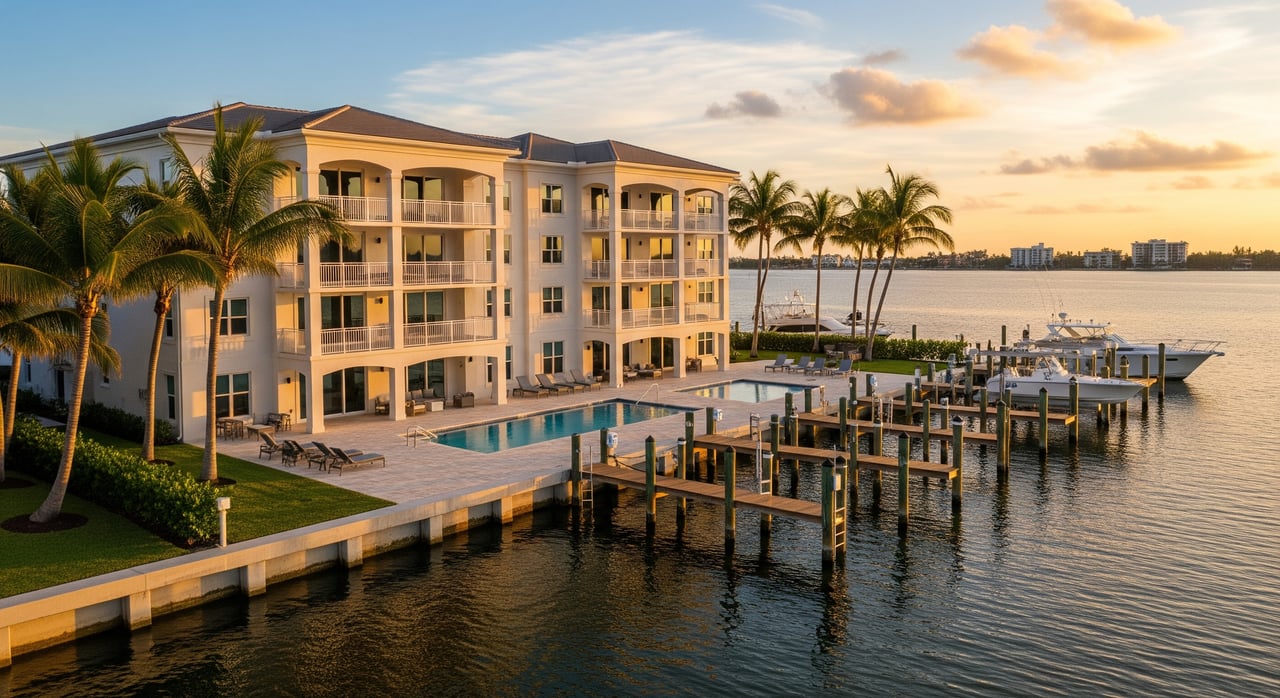
Bradenton and Manatee County include a mix of older coastal and inland condominium communities. Many coastal and near‑coast buildings date to the 1960s through the 1980s, which means age‑based recertification is more likely to apply. Salt air, humidity, and wind exposure increase maintenance needs for exterior cladding, balconies, and corrosion‑prone elements, so current engineering reports and healthy reserves are especially important.
Florida’s insurance market, including windstorm and hurricane deductibles, also affects association budgets. Higher insurance costs may require increased reserve contributions or special assessments. A clear insurance certificate and transparent budgeting help lenders understand the association’s risk management.
Local resources can help you verify building age, recertification status, and permit history. The Manatee County Property Appraiser can confirm building age, while the Manatee County Building Department or the City of Bradenton Building Division can explain local procedures and permits. Local structural engineering firms experienced with coastal condominiums are key for milestone inspections and lender‑ready reports. Community association managers, local title companies, and lenders familiar with Florida condo rules can also help with documentation timing.
What this means for buyers
The new rules do not automatically block financing for condo units. What matters is the specific project’s condition and financial profile. If the association maintains current engineering reports, funds reserves responsibly, and discloses a realistic plan for any repairs, your loan is more likely to proceed without major delays.
To protect your timeline, request association documents early and review them with your lender. If a milestone report identifies repairs, ask about the funding plan and whether an assessment is planned. Your lender may need to factor the assessment into your debt‑to‑income calculations.
What this means for sellers
Buyers and lenders will request more documents than before. You can reduce friction by gathering the association’s budget, reserve study, insurance certificate, recent meeting minutes, and any engineering reports in advance. Transparent answers about planned assessments and project timelines build buyer confidence and shorten underwriting.
If you are preparing to list, you can combine proactive documentation with thoughtful presentation. Clean, staged spaces help buyers focus on value while complete association files help lenders focus on approvals. Together, these steps support a smoother contract‑to‑close.
Speed up approval: step‑by‑step
- Ask early for the association’s most recent budget, reserve study, insurance certificate, and any milestone or engineering reports.
- Request the estoppel letter as soon as you are under contract since some associations need extra time to produce it.
- Confirm whether the project is eligible for your loan type and whether any additional project approval is required.
- If inspections found issues, obtain bids or a written plan that explains timing and funding for repairs.
- Share documents with your lender promptly so they can complete the project review while your appraisal and credit underwriting move forward.
Document checklists
Association and seller checklist
- Declaration, Bylaws, Articles of Incorporation, and CC&Rs.
- Current year operating budget and the last 2 to 3 years of budgets.
- Most recent reserve study and any reserve funding policy.
- Financial statements and recent bank statements for the last 3 to 6 months.
- Minutes of board and annual meetings for the last 12 to 24 months.
- Certificate of insurance for the master policy, including limits and deductibles, plus flood coverage if applicable.
- Current estoppel letter showing assessment status and any delinquencies.
- Owner‑occupancy percentages and delinquency reports if available.
- Disclosures for pending litigation.
- Engineering or milestone inspection reports, plus contractor bids or estimates.
- Records of recent reserve expenditures and capital improvement schedules.
- Evidence of compliance with any required recertification.
- Contact information for management, treasurer, and association counsel.
Buyer and buyer’s agent checklist
- Estoppel request initiated early.
- Confirmation of loan program eligibility and any project restrictions.
- Association budget, reserve study, insurance certificate, and meeting minutes.
- Any milestone or engineering reports and a summary of planned repairs or assessments.
Lender and mortgage broker focus
- Budget, reserve study, and association bank statements.
- Engineering or milestone reports, scope of repairs, timeline, and cost.
- Master insurance certificate and deductible details.
- Evidence that statutory inspection or recertification requirements are being met.
Setting expectations for timelines
Underwriting can take longer when project documents need to be gathered or repairs require a clarified plan. If your lender requests follow‑up items like contractor bids or proof of reserve transfers, expect additional review time. Complex projects and active assessments can extend approvals by weeks, sometimes longer, depending on the association’s responsiveness.
The fastest closings usually happen when buyers, sellers, and the association share the complete file at the start. Organizing documents before listing or before you write an offer shortens the project review and lowers the chance of last‑minute surprises.
Work with a trusted local guide
You deserve an advisor who understands how these rules play out in Bradenton’s condo market. With deep experience across Lakewood Ranch and Sarasota’s coastal communities, Donna Wrobel brings hands‑on guidance and a concierge‑level experience. She helps you anticipate lender requests, request the right documents early, and keep your closing timeline in focus.
If you are considering a Bradenton condo purchase or sale, reach out to Donna Wrobel to discuss your goals, the project’s documentation, and the best strategy for a smooth approval.
Ready to take the next step? Let’s Connect with Donna Wrobel of Berkshire Hathaway HomeServices to get your plan in motion.
FAQs
Will Florida’s new rules make my Bradenton condo unfinanceable?
- Not necessarily. Lenders evaluate each project’s reserves, engineering or milestone reports, insurance, and owner delinquencies. Buildings with major structural defects or unresolved safety issues are more likely to face lending restrictions until there is a funded plan or completed repairs.
Who pays for milestone inspections and repairs in a Bradenton condo association?
- Associations typically pay for required inspections. Repairs are funded through reserves, special assessments, or association financing. Cost allocation depends on the governing documents and state law.
How long can underwriting take if an engineering report shows repairs?
- Expect longer timelines. If lenders need a detailed repair plan, contractor bids, or proof of funding, approvals can be delayed weeks to months depending on the association’s responsiveness and the project scope.
What should I ask for before I make an offer on a Bradenton condo?
- Request the association’s current budget, most recent reserve study, insurance certificate, recent meeting minutes, and any milestone or engineering reports. Ask the seller to request the estoppel early.
What kind of insurance information do lenders want for a condo project?
- Lenders review the master policy limits, windstorm or hurricane deductibles, and liability coverage. Clear, current insurance certificates help demonstrate that the project’s risk is properly managed.